GACHE / Project background
About this project
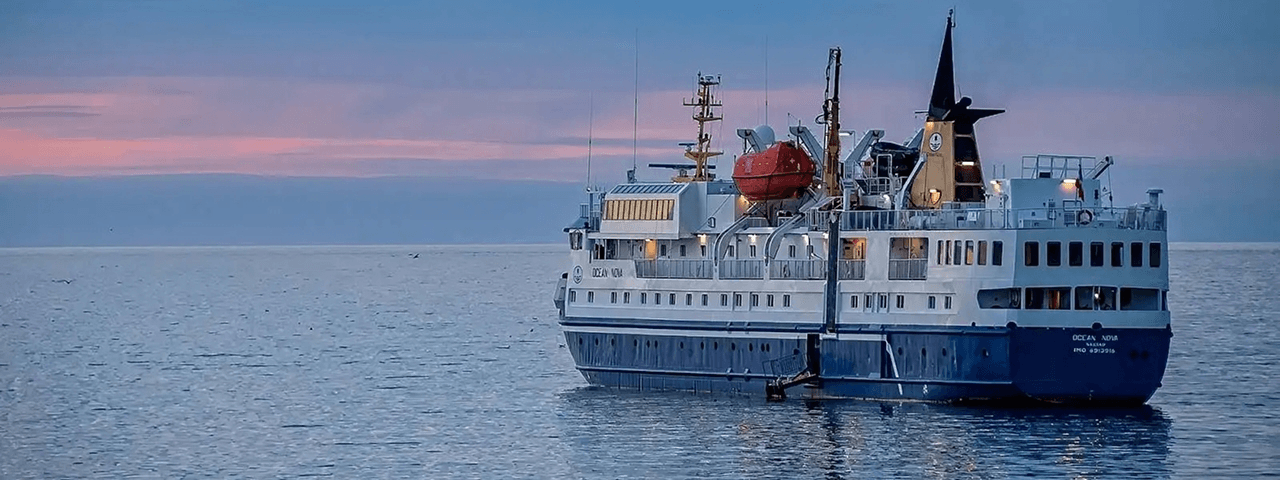
The Ocean Nova hosts legendary expeditions to the ends of the earth ↗
Greenland's cold-water coral ecosystems
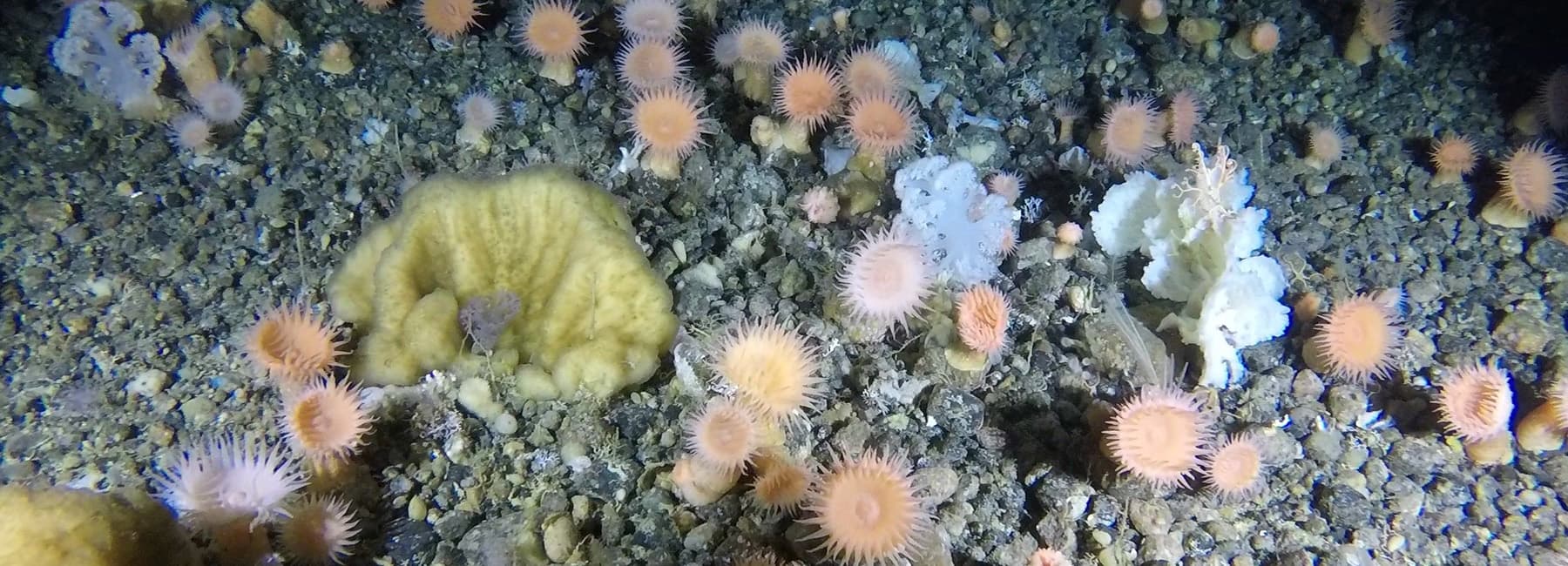
Greenland does not have tropical coral reefs — but it does have cold-water coral ecosystems. When people say "coral reefs," they often mean tropical reefs (Great Barrier Reef, Caribbean, etc.), which do not occur in Greenland because temperatures are too low and there is insufficient sunlight.
However, Greenland hosts cold-water coral ecosystems, especially reefs built by the stony coral Lophelia pertusa (now often classified as Desmophyllum pertusum) and coral gardens formed by soft corals and gorgonians.
Greenland's cold-water coral ecosystems rely on reefs built by the stony coral Lophelia pertusa (now often classified as Desmophyllum pertusum) and coral gardens formed by soft corals and gorgonians.
These ecosystems are important because they:
- provide habitat for fish and invertebrates,
- increase local biodiversity,
- serve as indicators of ocean change,
- are vulnerable to disturbance from warming, acidification, and fishing.
These ecosystems are important because they provide habitat for fish and invertebrates, increase local biodiversity, and serve as indicators of ocean change.
The Young Explorers Program
The Young Explorers Program ↗ supports young people with place-based projects in science, art, and conservation. Selected explorers join an Adventure Canada expedition to carry out field research or creative and cultural work while building relationships within an international exploration community.
Learn more about Adventure Canada ↗ and The Explorers Club ↗. Credit to Adventure Canada and The Explorers Club for making this work possible.
My proposal
This project measures micro-plastics, acidification, & temperature levels in surface and mid-water samples along the Western Greenland expedition route above the deep sea reefs, then compares those observations with the ocean conditions that shape deep-sea Desmophyllum pertusum coral habitat. The goal is to better understand whether sinking plastic pollution may increase pressure on Greenland's cold-water reefs.
Image gallery
About me
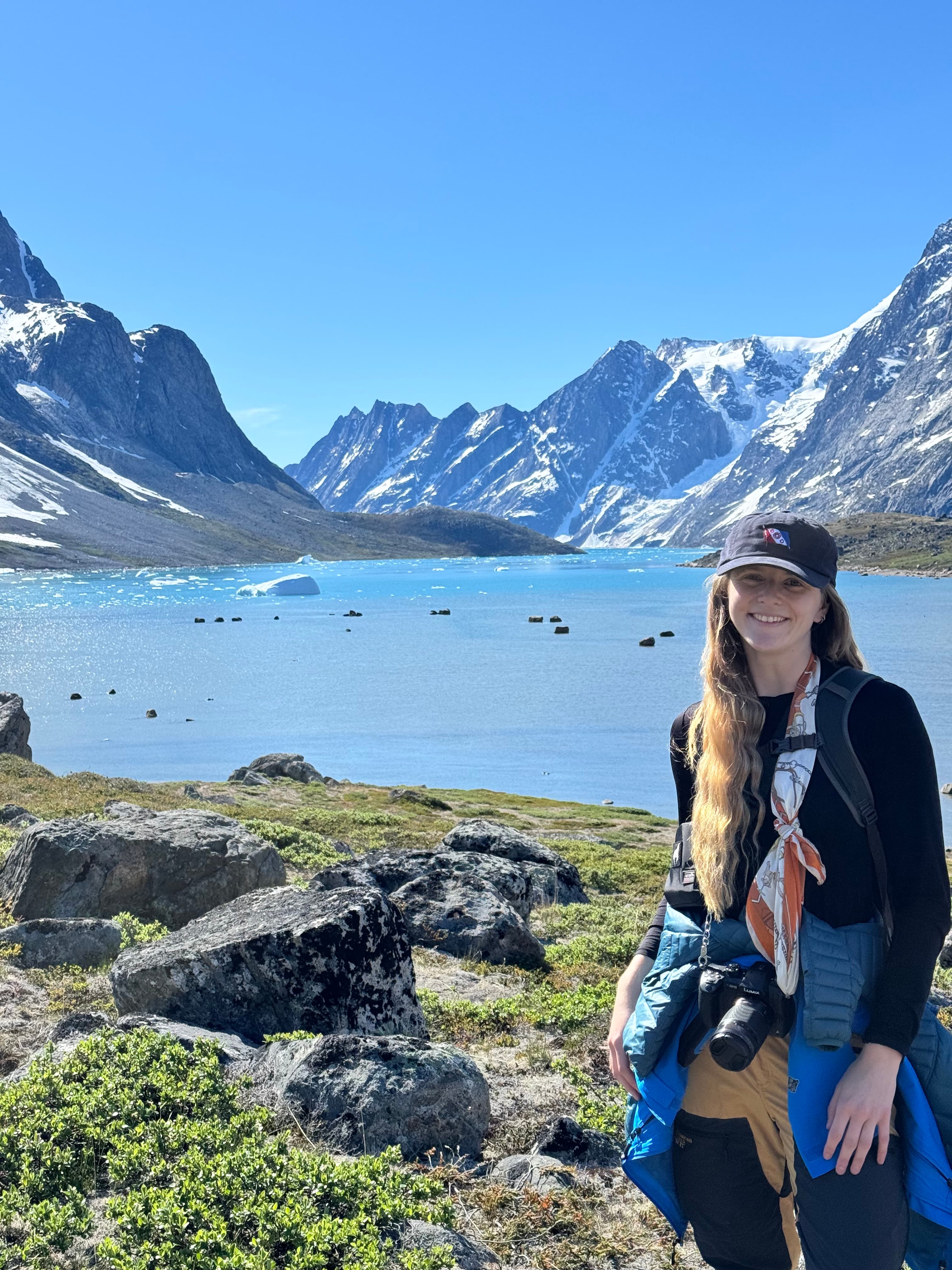
My career as a Mechanical Engineer—designing advanced electronics hardware at Apple, Tesla, and Google[X]—has been driven by a desire to build robust systems for extreme environments. This foundation was laid during my robotics research at Carnegie Mellon University's Robomechanics Lab, where I developed legged robots designed to traverse and study undiscovered, rugged terrain. Outside of the lab and the workshop, my deepest passion is marine conservation; I spend my free time designing and deploying 3D-printable structures to protect and restore fragile coral reef ecosystems.
Attending Explorers Club lectures has continually inspired me to merge these two worlds: cutting-edge hardware engineering and marine conservation. The Iceland to Greenland expedition presented the ultimate frontier for this synthesis - The dynamic, weather-dependent itinerary along the Denmark Strait and Greenlandic fjords required exactly the kind of agile, hyper-reliable hardware I specialize in building. I applied to this program because I want to prove that rigorous, high-fidelity marine data collection in inaccessible environments doesn't require a massive research vessel—it just requires mechanical ingenuity and a commitment to preserving our oceans' hidden ecosystems.
View Keynotes & More Work
- Autonomous Aquatic Debris Cleanup RobotPDF
Microspine-Enhanced Spring Legs for Robotic Running & Climbing